Thank you! Your submission has been received!
Oops! Something went wrong while submitting the form.
Thank you! Your submission has been received!
Oops! Something went wrong while submitting the form.


If you’re involved in the Business Process Outsourcing (BPO) industry, it's imperative to maintain a competitive edge and stay ahead of the curve. This can be achieved through periodic evaluations of your service provider’s performance, and the Quarterly Business Review (QBR) offers a platform to do just that. Consider QBR as a routine examination of your BPO operations, providing an opportunity to reflect on your progress and pinpoint areas for improvement. But unlike a traditional performance evaluation, QBR emphasizes the importance of recognizing your successes and taking a comprehensive approach to business development. Whether you're familiar or a newcomer to the BPO industry, this article will help you learn about the concept of QBRs, its significance, and how to leverage it effectively.
A quarterly business review (QBR) is a meeting that is held every three months to review the performance of a business process outsourcing (BPO) company. The purpose of a QBR is to assess the progress of the company and to identify any areas that need improvement.

During the QBR, the company's management team will present data and analysis on key performance indicators (KPIs) such as customer satisfaction, productivity, and revenue. They will also review the company's financial results, including its income statement, balance sheet, and cash flow statement. The goal of the QBR is to provide a comprehensive overview of the company's performance, as well as to highlight any challenges or opportunities for growth. This information is then used to make informed decisions about the company's future direction and to develop strategies for improving its performance, ensuring that leadership can manage Q4 chaos with smarter business operations and maintain stability during high-demand periods.
Both the client and the service provider have a role to play in preparing for the QBR, and the success of the meeting depends on their preparation and collaboration. Here's how a client and a service provider can prepare for a QBR in a BPO setting:
The client should review the terms of the contract and the agreed-upon KPIs (key performance indicators) to ensure that the service provider is meeting the client's expectations.
The client should gather data and information about the performance of the service provider, including customer satisfaction surveys, call center metrics, and other relevant data.
Based on the data and information gathered, the client should identify any areas of concern and prioritize them for discussion during the QBR.
The service provider should review its performance metrics, including KPIs and financial metrics, to determine its overall performance.
The service provider should prepare a report that includes an overview of its performance, a review of the KPIs, and any recommendations for improvement.
The service provider should anticipate any questions or concerns that the client may have and prepare to address them during the QBR.By preparing in this way, the client and the service provider can have a productive and meaningful QBR, where they can work together to identify and resolve any issues and ensure that the outsourcing relationship is successful.
A productive and successful quarterly business review (QBR) in the context of business process outsourcing (BPO) requires careful preparation and planning by both the client and the service provider. If you’re wondering what should a quarterly business review include, here are components crucial to ensuring a successful QBR in the practice of outsourcing business processes:
KPIs are critical in evaluating the performance of the outsourcing relationship. The client and the service provider must agree on specific KPIs, which should be regularly tracked and reported during the QBR. This helps to provide a clear picture of the service provider's performance and helps both parties to identify areas that need improvement.
During the QBR, data analysis is crucial to provide a comprehensive overview of the service provider's performance. This analysis should include the data collected on the KPIs, along with any relevant financial data. This data helps to provide a clear understanding of the service provider's performance and helps both parties to identify areas that need improvement.
Effective communication is extremely important during the QBR. Both the client and the service provider should engage in open and honest communication, and be willing to listen to each other's perspectives and feedback. This helps to identify areas of concern and to resolve any issues that may arise.
The QBR should have a problem-solving focus, with both parties working together to identify areas of concern and develop strategies to address them. This helps to ensure that the outsourcing relationship continues to be successful and that both parties are working towards a common goal.
The QBR should result in actionable recommendations that both parties can implement to improve the outsourcing relationship. This helps to ensure that the outsourcing relationship continues to be successful and that both parties are working towards a common goal.
Continuous improvement is essential in any outsourcing relationship, and the QBR should have a focus on continuous improvement. Both parties should work together to continuously improve the outsourcing relationship and achieve their goals. This helps to ensure that the outsourcing relationship remains successful over the long term.
Measuring the success of a quarterly business review (QBR) is important because it helps to determine whether the review was productive and if the goals set during the review were achieved. If you’re partnering with an outsourcing vendor, here's how you can measure the success of a QBR:
The first step in measuring the success of a QBR is to review the key performance indicators (KPIs) that were agreed upon by the client and service provider. These KPIs should have been tracked and reported during the QBR and should provide a clear picture of the service provider's performance.
The next step is to evaluate the progress made since the last QBR. This includes reviewing the data collected on the KPIs and financial data, as well as the actionable recommendations that were made during the QBR.
The success of a QBR can also be measured by checking if the goals set during the review were met. This includes determining if any problems were resolved, if the outsourcing relationship improved, and if both parties are working towards a common goal.
It is important to get feedback from both the client and service provider to determine if the QBR was productive and successful. Both parties should be asked to provide feedback on the QBR and to share their perspectives on the review.
These are the best practices that you should abide by to ensure your quarterly business review is a valuable tool for driving performance and continuous improvement for your outsourcing initiatives:
Are you looking to build the best offshore team for your business? Hire the best professionals from the Philippines with KDCI! Our team of offshoring specialists will help you build a customized offshore strategy tailored to your specific business needs. With our broad range of outsourcing services, from ecommerce and creative design to digital marketing, accounting, and web development, you can rest assured that we have the expertise to support your business. At KDCI, we understand that every business is unique and has its own set of goals and operational requirements. That's why our offshoring specialists will work closely with you to understand your business and recommend the best course of action. We'll help you create a timeline for ramping up, a seamless workflow that adapts to your local operations, and clear systems and processes for task delegation, quality control, KPI management, and more. Click the button below to start building the perfect extension of your business in the Philippines! Contact Us


The year 2023 is brimming with infinite opportunities for online retailers. The total global retail sales are forecasted to rise up to 8% until 2024. Most importantly, more consumers will enter the Ecommerce buying landscape, mostly from younger generations (Gen Z & Alpha).With the emergence of new powerhouse generations, Ecommerce brands have yet to piece together how to adapt to their buying behavior. According to experts, these younger generations grew up in the digital age and have shorter attention spans. When your Ecommerce store does not provide an engaging user experience, you lose almost 32% of your potential customers. In 2023, it’s crucial that you focus on optimizing your product catalog management. The competition is now all about providing customers with clarity, precision, and relevance with your product catalog. If your Ecommerce catalog management team is not yet ready for fierce competition next year, then we give you big reasons why it’s better to outsource to an Ecommerce service provider.
Did you know that 1.8 million online retailers operate in the US and 7.1 million globally? And in 2023, these numbers are expected to increase due to the rise in global retail sales. In a competitive market wherein visibility is of utmost importance, you might lose to emerging online retailers who are optimizing their sites correctly.

To increase product visibility, you must ensure you appear in the top results. However, even with the enormous number of online shoppers, being seen among the top results on the product page can be difficult. Buyers won't look for your particular products unless you have a well-known and reliable brand. Your products won’t get the right attention unless you start optimizing your Ecommerce product catalog. You can begin by displaying eye-catching product photos and a detailed, SEO-optimized product description. This will help you nudge customers to proceed to the checkout page and increase your online sales. If you lack resource flexibility to optimize your product catalog, you may want to outsource product catalog management to a trusted service provider like KDCI. We can provide you with a dedicated product description writer and product photo editor ready to optimize your site for higher conversion rates.

A poor shopping experience results from an Ecommerce site lacking all the components of accurate product categorization. If you don’t want to lose a potential customer in 2023, you should start organizing your products into distinct, hierarchical categories. Budding retailers find it challenging to implement the most effective product categorization techniques. When they are unsure about how to categorize a product, they look for that product in a search engine to see what similar items another seller could be offering, and then they copy the category that the product is listed under. This might work for a narrow variety of products but won’t work for a diverse set of products that requires strategic categorization. To optimize product listings for an enhanced shopping experience, you may need the help of a product data entry specialist. From identifying data sources and gathering product data to creating product data attributes, you can ensure your products are accurately categorized. With an accurate classification of your products, you’re making your site easy to navigate and helping search engines fetch your products quickly.
System integration and platform deployment require a lot of financial investments when managing an Ecommerce business internally. In addition, you might anticipate paying a significant amount of money for office spaces and hiring full-time workers to oversee your Ecommerce business. If you want to save a lot on your operational expenses in 2023, you should outsource product catalog management to a trusted outsourcing vendor. When you outsource to a low-cost country like the Philippines, you benefit from the 70% labor cost reduction because of the country’s low wage rates. At the same time, you can save on your overhead costs as your service provider will handle the facilities, recruitment, equipment, and even training for your offshore team.
If you’re wondering why your business isn’t generating enough profits after years of selling online, you’re probably so fixated on your non-core functions that you overlook your sales and marketing. These revenue-generating activities are crucial to attracting customers and driving sales to your site. By neglecting these functions, a lot of potential revenue may go down the drain. Outsource your product catalog management this 2023 and shift your focus on your marketing and sales strategies. Let Ecommerce professionals handle your product catalog management while you focus on your email marketing and paid advertising. Concentrate on creating exclusive deals and offers your customers will love. Also, redirect your attention to your SEO and PPC to increase traffic to your website. There’s so much you can do to grow your Ecommerce business when you have the peace of mind that your non-core functions are well taken care of by a product catalog manager. Plus, you reduce the workload of your in-house team, which results in higher productivity and low turnover rates.
Your brand's positioning determines how your customers perceive your business. Sending a clear message about who you are and what your products stand for can help them form the proper perception of your brand. Indeed, a highly-optimized product catalog can solidify your brand identity and set your business apart from the competition. When you outsource product catalog management, you get a scalable, full-service Ecommerce optimization service. You have product information management experts to streamline your data entry operations. Also, you have web designers to give your website a responsive design for a better user experience. Moreover, you have writers and photo editors to enrich your product catalog with the most relevant data your customers need. Having a team that works hand in hand and understands your requirements gives your customers a unified experience. It also helps you make a good impression of your brand, which is essential to retaining repeat buyers and increasing customer lifetime value.
Outsource product catalog management today with the help of Ecommerce experts in the Philippines. Start optimizing your site for better conversion rates while you focus on the most important aspects of your online business! KDCI, an Ecommerce outsourcing company in the Philippines, is ready to partner with you in building the perfect extension of your team in the Philippines. Our facility is certified by the Philippines Economic Zone Authority and has a top-notch data infrastructure and 100% backup power. As your Ecommerce partner, we can provide your offshore team with ongoing recruitment, HR, payroll, facilities management, and IT support so you can reduce your operational costs and concentrate on your revenue-generating activities. Click the button below to learn more about our services and pricing plans. Contact Us

Ecommerce has revolutionized the way businesses and customers interact, allowing for sales and purchases to be made more easily online. One important element of a successful ecommerce business is its design and visual appeal – this is where an ecommerce graphic designer comes in.In this article, we will explore what an ecommerce graphic designer does, and why it's beneficial to hire one. From enhancing brand recognition to driving website visits and increasing sales, there are many advantages to having an ecommerce graphic designer work for you. Read on to find out more about why you should invest in an ecommerce graphic designer.
Outsourcing ecommerce graphic design is when a company or individual hires another company or freelancer to handle the visual design aspects of their online store. This can include creating logos, product images, website design, and other marketing materials. The idea is that the company or individual can focus on other aspects of their business while leaving the graphic design to the experts.In other words, outsourcing ecommerce graphic design means that instead of hiring a full-time in-house designer, the company chooses to pay someone else to do the design work for them. This can help save time and money, and ensure that the design work is of high quality.

Outsourcing graphic artists for ecommerce can also help companies stay up-to-date with the latest design trends, as outsourcing providers often have a team of professionals with a diverse set of skills and experience.
A highly-trained ecommerce graphic designer is capable of producing creative digital assets for your online store, including but not limited to:
Online retailers with a high volume of creative projects often outsource their graphic design needs to an Ecommerce service provider. By doing so, they are able to enjoy the following benefits:
Hiring an in-house graphic designer can be expensive, as it involves paying a salary, benefits, and other employment costs. Outsourcing graphic design tasks allows ecommerce businesses to save money by only paying for the services they need when they need them. This can be beneficial for small and medium-sized businesses that may not have the budget to support a full-time in-house designer.
Outsourcing graphic design gives ecommerce businesses access to a much larger pool of design talent, which can make it easier for them to find the right designer for their specific needs and requirements. This can help ensure that they receive the highest quality design work possible, while still staying within budget.
Ecommerce graphic designers who specialize in ecommerce design can complete projects quickly and efficiently, freeing up the time of business owners and their in-house teams to focus on other areas of their business. This increased efficiency can result in faster time-to-market for new products and promotions, and improved overall business performance.
Outsourced graphic designers have access to the latest design tools and techniques, which can help ecommerce businesses stay ahead of the competition in terms of design quality and effectiveness. This is crucial for businesses that want to stay up-to-date with the latest design trends and technologies.
Digital designers who specialize in ecommerce design have specialized knowledge and experience, which can result in higher quality work compared to in-house designers who may not have the same level of expertise. This can help ecommerce businesses create a strong and consistent brand image, and improve the overall user experience for their customers.
Outsourcing graphic design allows ecommerce businesses to be more flexible with their design needs. They can scale up or down their design projects as needed, without having to worry about the limitations of in-house resources. This helps them respond quickly to changes in the market, and adapt their design strategy as needed to stay ahead of the competition.
Outsourcing graphic design tasks can help reduce the stress and workload of ecommerce business owners and their in-house teams. This can allow them to focus on other important aspects of their business, such as marketing, customer service, and product development, without having to worry about design tasks. This results in improved overall business performance and a better work-life balance for the business owners and their teams.
Ecommerce graphic design is considered a niche role as it involves a unique set of skills, such as understanding how to design for conversion, how to create visually appealing product presentations, and how to design for mobile devices. These skills are not typically found in general graphic designers and require specific expertise and experience. Here are the qualities you should be looking for in an ecommerce graphic designer:
According to the latest data, the cost of outsourcing ecommerce graphic design can range from a minimum of $8 to a maximum of $100 per hour for freelancers located in the US, with an average rate of $30 per hour.Graphic designers in countries with a lower cost of living, like the Philippines, might offer lower prices for their graphic design services compared to those in countries with a higher cost of living. In such cases, the hourly rate could range from $3 to $10 per hour.It's important to keep in mind that these are just rough estimates and the final cost of outsourcing ecommerce graphic design will depend on various factors such as the size of the project, the design's complexity, and the designer's experience and skills.
If you don’t know where to begin, here are easy steps to follow to successfully outsource the best ecommerce graphic designer for your business:
A strong portfolio is a clear indication of a graphic designer's experience, skills, and design style. Look for designers who have a portfolio of work that aligns with your brand's style and aesthetic.
Take the time to read reviews from past clients. This can give you a good idea of a designer's working style, communication skills, and overall customer satisfaction.
Good communication is key in any collaboration. Look for a designer who is responsive, easy to work with, and able to understand your needs and preferences.
Not all graphic designers have experience in ecommerce design. Make sure you find someone who has a good understanding of the ecommerce landscape and can create designs that are optimized for conversion.
Graphic designers should have a good understanding of graphic design software, such as Adobe Creative Suite. Ensure that the designer you choose has the technical skills required to complete your project effectively.
Make sure the designer you choose is available to work on your project within your desired timeline. Consider their timezone and work schedule to avoid any potential communication barriers.
Make sure you understand the designer's pricing structure and that it aligns with your budget. Keep in mind that a high price does not always guarantee the best quality, and a low price does not always mean low quality.
Make sure you have a clear understanding of the scope of work, the timeline, and the deliverables before starting the project. Having a written contract can help ensure that both you and the designer are on the same page.
Do you want to level up your graphic designs for your website and marketing materials? KDCI is here to revolutionize the way you approach Ecommerce design.Our team of expert ecommerce designers goes above and beyond just creating aesthetically pleasing designs. They take a professional and strategic approach, integrating Ecommerce concepts into every design to ensure it is relevant and impactful.At KDCI, our team takes the time to understand your business, your audience, and your goals, in order to create designs that are tailored specifically to you. No more cookie-cutter designs or industry trends, only optimized designs that fit in with your Ecommerce marketing strategy and bring value to your business.Click the button below to learn more about our ecommerce graphic design services.Contact Us

In today's fast-paced and competitive business environment, the experience of employees is a crucial factor in determining the success of a company. However, studies have shown that only a small fraction of employees are completely satisfied with their experience in the workplace.To address this issue, companies are making significant investments through a variety of B2E (business-to-employee) strategies to create positive employee experiences. But what does B2E mean? And how does it work in a variety of industries and organizations?In this article, we will explore the concept of B2E and how it plays a crucial role in improving the employee experience in the modern workplace.
Business-to-employee (B2E) is a term used to describe a company's internal strategy to create a better work experience for its employees. This approach has become increasingly important as businesses strive to improve employee retention and create a positive work environment.

B2E strategies are designed to support employees in their daily lives and work environment, with the goal of making the company a desirable place to work. This includes promoting the company's mission and values, providing a clear understanding of the company's objectives, and offering a range of benefits to employees.One of the key components of B2E management is the onboarding and training process, which helps to attract and retain top talent. B2E examples also involve creating company-wide communications to keep employees informed and connected, as well as offering insurance and health care policies, payroll services, and credit services.
B2E, B2C, and B2B are distinct business models that characterize a firm's interactions with various groups. B2E concentrates on enhancing the work environment for workers, whereas the remaining two target the sale of goods or services directly to customers and other companies.B2C focuses on forming sustainable relationships between a company and its customers. This is the most common type of business model, and it's all about selling products or services directly to people who use them. For example, a clothing store selling clothes to its customers is a B2C business.On the other hand, B2B pertains to the relationship between two businesses. This business model involves one firm selling its products or services to another company. An example of this would be a company that manufactures computer components selling its goods to a company that assembles computers.
Companies have recognized the impact of employee experience on their business outcomes. In recent years, here are some B2E solutions that companies have incorporated into their organization to ensure employee satisfaction and low turnover rate.
Allowing employees to work from home or have flexible work hours can improve work-life balance and increase job satisfaction.
Investing in employee training and development can improve job performance and job satisfaction.
Implementing programs that promote physical, mental, and emotional health can increase employee well-being and reduce absenteeism.
Recognizing and rewarding employees for their hard work and achievements can increase job satisfaction and motivation.
Encouraging employee involvement and decision-making can increase job satisfaction and motivation.
Outsourcing non-core functions to specialized service providers can improve efficiency and staff productivity. This can allow companies to free up internal resources and augment their current workforce to minimize staff workload during business peak seasons.
The primary challenge of implementing B2E strategies and solutions is ensuring that the technology is well-suited for a company's unique needs. This includes identifying the specific tools, processes and procedures that are necessary for success, as well as the time and cost required for implementation.Moreover, implementing B2E strategies can be difficult due to the need for organizational change, as employees may be resistant to new technology or processes. Finally, it is often difficult to measure the success of B2E implementations, as metrics such as employee engagement, productivity and satisfaction are often subjective or difficult to quantify.
B2E strategies are important for creating an effective and engaging workplace. These strategies are designed to strengthen the relationship between employers and employees, which can lead to a number of benefits for both parties such as:
Overall, B2E strategies can be beneficial for both employers and employees. They can help create an atmosphere of respect, trust, and collaboration, which can lead to improved engagement, collaboration, retention, and performance.
Are you tired of having your employees bogged down with repetitive, time-consuming tasks? At KDCI, we offer a wide range of offshore staffing solutions from customer support to ecommerce, digital marketing, finance, and web development to support the growing demand of your business.By outsourcing your business processes to us, you'll be able to free up your internal resources and improve your staff's productivity. Outsourcing with KDCI provides a win-win solution for your company. Not only will you be able to use your internal resources more efficiently, but you'll also be able to keep your employees happy. Instead of having them waste time on monotonous tasks, they can now focus on more meaningful, value-adding activities.Moreover, outsourcing with KDCI will give you the chance to free up time and capital that you can use to drive your business forward. By freeing up your internal resources, you'll be able to invest in other areas of your business and achieve even greater success.Click the button below to get a FREE consultation with our experts on how you can start outsourcing to the Philippines.Contact Us

Business process outsourcing (BPO) is becoming increasingly popular, with companies looking to outsource certain aspects of their operations to improve efficiency and reduce costs. One key factor in BPO is the rate card: an agreed-upon fee that covers the entire scope of the project. In this blog post, we’ll answer some of your questions like “what is a rate card?”, “why are they important?” and how BPO companies create one.
A rate card in the BPO (business process outsourcing) industry is a pricing document that lists the cost for different services or tasks that a BPO company offers to its clients. It helps clients understand the cost of outsourcing specific processes and makes it easier for them to compare prices with other BPO companies.

The rate card may include the cost per hour, per task, or per project, and may also list any additional charges or fees that the client may need to pay. By using a rate card, clients can make informed decisions about which BPO services to use and how much they will cost.
Rate cards are an important tool in the BPO industry, allowing companies to clearly communicate their pricing and services to clients. Here are some real-life examples of how a rate card is used in the BPO industry:
BPO companies use rate cards to set prices for their customer service operations, such as inbound and outbound calls, email support, and chat support.
BPO companies that offer technical support services use IT rate cards to determine the cost of services such as data entry, data processing, and data conversion.
BPO companies that specialize in document management use rate cards to set prices for services such as document scanning, document indexing, and document retrieval.
BPO companies that provide back-office support use rate cards to determine the cost of services such as accounting, payroll, and human resources.
Creating a rate card for outsourcing services requires careful consideration of multiple factors. Here are some factors that BPO companies take into account to ensure that the rate card accurately reflects the services being provided:
The process of developing a rate card for a BPO (Business Process Outsourcing) company typically involves the following steps:
Yes, rate cards can vary from Business Process Outsourcing (BPO) to BPO. The rate card refers to the pricing structure of a BPO, which outlines the cost of the services they offer. The variations in rate cards are mainly due to the following factors:
Are you looking for an expert, reliable offshore staffing solutions provider in the Philippines? Look no further than KDCI. KDCI has been providing world-class staffing solutions for companies all over the globe for over two decades. Our experienced staff can provide you with top-notch talent that meet your specific needs. Our staff are highly trained, experienced, and certified, so you know you’re getting the best professionals for your business. Our team is also dedicated to helping you find the perfect candidate for any job, from customer support to digital marketing, accounting, ecommerce, and web development. At KDCI, we believe in combining the best of both worlds – local talent with global experience. We are committed to providing our clients with the most efficient and cost-effective staffing solutions in the Philippines. Click the button below to get a FREE consultation with one of our experts today! Contact Us

The world of business is a labyrinth of numbers, from sales to expenses, and every step in between. With so much to keep track of, it's no wonder that more and more companies are turning to outsourcing their accounting services. The promise of saving time and resources while still getting the job done seems like a no-brainer. But, as with any business decision, the true cost of outsourcing must be carefully considered.In this article, we'll delve into the nitty-gritty details of outsourcing accounting services and uncover what it really costs to hand over your accounting processes to a service provider. Read on to
The cost of outsourcing accounting services can vary depending on several factors such as the size of the company, the complexity of its finances, the scope of services required, and the experience and qualifications of the accounting firm.However, according to industry statistics, the starting point for outsourcing accounting costs is $2,000 a month. This means that the minimum cost one can expect to pay for outsourcing accounting services is $2,000 a month. The actual cost may be higher or lower than this, but it serves as a baseline to work from.
The cost of outsourcing finance and accounting services for small businesses can vary depending on several factors, such as the size of the business, the complexity of its financial records, and the level of service required. On average, small businesses can expect to pay between $500 and $5,000 per month for these services.The lower end of this range, around $500 per month, would likely be for a basic level of service, such as simple bookkeeping and record keeping. On the other hand, a higher monthly cost of $5,000 or more could indicate a more comprehensive accounting package that includes financial reporting, budgeting, and tax preparation services.
The hourly rate for accounting and bookkeeping services in the US varies and ranges from $12 to $25 according to industry experts. This cost can be considered as the average for local services, where the accountant or bookkeeper is physically located in the same country as the client.However, outsourcing accounting services to a low-cost country like the Philippines can provide a more affordable option for those who are looking to save on cost. This is because the labor in the Philippines is cheaper compared to other countries, which allows for lower costs for the same services. As a result, outsourcing to the Philippines can provide a significant reduction in the cost of accounting services, making it a cost-effective option for businesses and individuals.
The cost of outsourcing accounting services is determined by several factors, including:
The type and complexity of accounting services required will impact the cost. For example, bookkeeping, financial statement preparation, and tax preparation services will cost less than auditing and advisory services.
The cost of outsourcing accounting services can vary based on the location of the provider. For example, outsourcing to a provider in a developed country may be more expensive than outsourcing to a provider in a developing country, such as the Philippines or India.
The cost of outsourcing accounting services may also be impacted by the provider's level of expertise and experience. A highly experienced and specialized provider will likely charge more than a less experienced provider.
The cost of outsourcing accounting services is often based on the volume of work to be completed. The more work required, the higher the cost will be.
The length of the contract can also impact the cost. Long-term contracts may offer lower rates than short-term contracts.
When comparing the costs of outsourcing accounting services to hiring an in-house accountant, there are several factors to consider.

An in-house accountant's salary, on average, is $65,000 per year or $31.25 per hour in the USA. This amount does not include additional expenses such as benefits, training, equipment, and office space. These additional expenses can significantly increase the overall cost of hiring an in-house accountant.On the other hand, outsourcing accounting services to a top outsourcing destination like the Philippines can reduce staffing costs by up to 70%. This is because outsourcing eliminates the need to provide recruitment, training, quality assurance, equipment, and office space expenses. As a result, you only pay for the specific accounting services that you need, rather than a full-time salary, benefits, and other related expenses.
Outsourcing accounting services to the top tax accounting companies in the Philippines can help your business achieve its organizational goals in many ways, including:
One of the main advantages of outsourcing accounting services to the Philippines is the cost savings. The lower cost of living and labor in the Philippines means that companies can save significant amounts of money on staffing, overhead, and other related expenses. This makes outsourcing a cost-effective alternative to hiring in-house staff in developed countries.
The Philippines is home to a well-educated and English-speaking workforce, making it an ideal destination for outsourcing accounting services. The country has a long history of providing high-quality services to international clients, and its accountants are trained in the latest accounting software, processes, and standards. This gives companies access to a large pool of highly skilled and experienced accountants who can provide quality accounting services.
Outsourcing accounting services to the Philippines can lead to improved efficiency and faster turnaround times, as well as increased productivity. By outsourcing, companies can take advantage of the latest technology and processes used by their outsourcing provider, which can lead to more accurate and streamlined accounting processes.
Outsourcing accounting services allows companies to quickly and easily scale up or down their accounting needs as their business grows or changes. This means that companies can adjust their accounting services as needed, without having to worry about the associated costs and hassles of hiring and training new in-house staff.
By outsourcing accounting services, companies can focus their time and resources on core business activities, allowing them to grow and succeed. This allows companies to concentrate on what they do best, while their outsourcing provider takes care of the accounting and finance aspects of their business.
Outsourcing providers in the Philippines often use the latest technology and processes to provide efficient and accurate accounting services. This means that companies can take advantage of the latest advancements in accounting technology, processes, and standards, without having to invest in the technology and processes themselves.
Stop searching for a trustworthy accounting solution - you've found it! KDCI is here to provide you with the best accountants in the Philippines. Our team of experienced, highly-trained professionals will handle all your accounting needs, from general accounting to financial statement preparation, accounts payable, accounts receivable, bookkeeping, and revenue accounting.At KDCI, we understand that outsourcing accounting services can be nerve-wracking, which is why we've taken extra measures to ensure your peace of mind. Our staff is highly motivated and reliable, and our domain expertise guarantees best practices in all aspects of our service. From recruiting the right people, to providing top-notch security and the latest software and technical infrastructure, we've got you covered.Click the button below to get a FREE consultation with one of our experts today!Contact Us

In the world of Ecommerce, having a strong presence on marketplaces like eBay can be the key to success. However, finding the right platform to integrate your store with eBay can be a daunting task. With so many options available, it can be hard to know which one is the best fit for your business.That's why we've put together this blog article to help you find the best ecommerce platform for eBay integration in 2023. We'll take a closer look at the top platforms on the market and their specific features, so you can make an informed decision on which one is right for you.From the ease of use to the level of support, we'll cover everything you need to know to make your integration process as smooth as possible. Whether you're just starting out in ecommerce or you're an experienced seller looking to expand your reach, this article is for you. If you're ready to take your ecommerce business to new heights and tap into the power of eBay, read on!
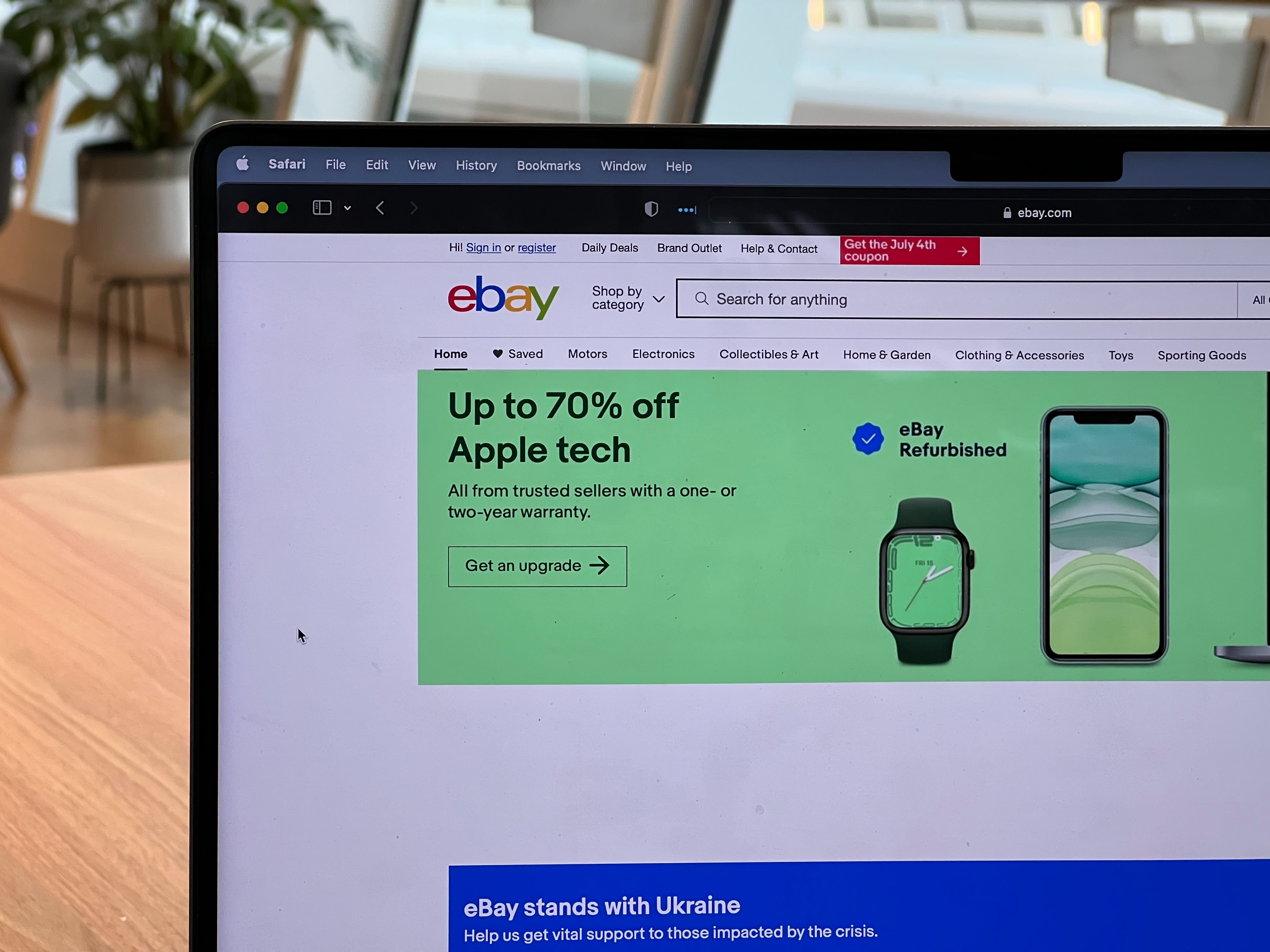
The best ecommerce platform for eBay integration is difficult to determine because it ultimately depends on the particular requirements and objectives of a business. But some of the most well-liked and utilized ecommerce platforms for connecting with eBay are as follows:
This is a popular ecommerce platform that allows businesses to create and manage an online store. It has a built-in integration with eBay, allowing businesses to easily list their products on the marketplace and manage their inventory.
This platform provides a range of ecommerce tools, including inventory management, product listing, and order fulfillment. It also has an integration with eBay, enabling businesses to manage their eBay listings directly from their BigCommerce dashboard.
An open-source platform that offers a wide range of ecommerce features, such as catalog management, order management, and customer management. It also has an extension that allows businesses to seamlessly connect their Magento store with their eBay account.
This platform provides businesses with a variety of ecommerce tools, including inventory management, product listing, and order fulfillment. Volusion also has an integration with eBay, enabling businesses to manage their eBay listings directly from their Volusion dashboard.
This is an open-source ecommerce plugin for the WordPress platform. It has an extension that allows businesses to easily list their products on eBay and synchronize their inventory.
Connecting your ecommerce store to your eBay account is necessary for integrating the two platforms so that you can easily manage and list your products on eBay. The process of connecting your store to your eBay account will vary depending on the ecommerce platform you are using.Here are the general steps to connect your ecommerce store to your eBay account:
It is important to note that some ecommerce platforms may require you to install a plugin or extension to enable the integration with eBay. In that case, you would need to download the extension and install it on your website.By integrating your ecommerce store with your eBay account, you can save time and effort by managing your products, inventory and orders in one place. Additionally, by listing your products on eBay, you can reach a larger audience and boost your sales.
Below, we listed down the best ecommerce platforms for eBay integration that provide an easy way to list products on eBay and synchronize inventory and orders, making it a convenient solution for businesses looking to expand their reach by listing on eBay.
This is a popular ecommerce platform that allows businesses to create and manage an online store. It has a built-in integration with eBay, allowing businesses to easily list their products on the marketplace and manage their inventory. With Shopify, you can create and edit your product listings, manage your inventory, and fulfill orders all from the Shopify platform.
This platform provides a range of ecommerce tools, including inventory management, product listing, and order fulfillment. It also has an integration with eBay, enabling businesses to manage their eBay listings automation directly from their BigCommerce dashboard. With BigCommerce, you can list your products on eBay, set up your eBay store, and track your sales, all from the BigCommerce platform.
An open-source platform that offers a wide range of eBay integration features, such as catalog management, order management, and customer management. It also has an extension that allows businesses to seamlessly connect their Magento store with their eBay account. With Magento, you can list products on eBay, manage your inventory, and fulfill orders all from the Magento platform.
This platform provides businesses with a variety of ecommerce tools, including inventory management, product listing, and order fulfillment. Volusion also has an integration with eBay, enabling businesses to manage their eBay listings directly from their Volusion dashboard.
This is an open-source ecommerce plugin for the WordPress platform. It has an extension that allows businesses to easily list their products on eBay and synchronize their inventory.
Integrating your ecommerce store with your eBay sales channel allows you to list your products on eBay and manage your sales directly from your ecommerce platform. This can be done by connecting your eBay account to your ecommerce platform and configuring the integration settings.The process of integrating your ecommerce store with your eBay sales channel will vary depending on the ecommerce platform you are using, but here are the general steps:
Integrating your ecommerce store with your eBay sales management channel can be beneficial for businesses because it allows them to expand their reach by listing on the eBay marketplace, where they can reach a larger audience and potentially increase their sales. Additionally, it allows businesses to manage their store, inventory and orders in one place, saving time and effort.
We listed down here some of the best ecommerce platforms that automate the process of listing products on eBay, which can save your business a lot of time and effort. Automating the process also ensures that your listings are always up-to-date and accurate, which can help increase sales and customer satisfaction.
Shopify allows businesses to automate their product listings on eBay by using apps such as "eBay for Shopify" which allows you to automatically list products on eBay and also synchronize inventory and pricing. This means that when you make changes to your products on Shopify, they will automatically be reflected on your eBay listings.
BigCommerce also has an integration with eBay that allows businesses to automate their product listings. With the BigCommerce integration, businesses can automatically list their products on eBay and also synchronize inventory, pricing and also manage orders.
Magento also has an extension that allows businesses to automate the process of listing products on eBay. With this extension, businesses can automatically list products on eBay and also synchronize inventory and pricing.
Volusion also offers an integration with eBay that allows businesses to automate their product listings. With Volusion's integration, businesses can automatically list their products on eBay and also synchronize inventory and pricing.
WooCommerce also has an extension that allows businesses to automate the process of listing products on eBay. With this extension, businesses can automatically list products on eBay and also synchronize inventory and pricing.
One popular ecommerce platform that can help you manage your eBay sales from one place is ChannelAdvisor. It allows you to manage your inventory and orders across multiple marketplaces, including eBay. Other options include:
It is important to evaluate these platforms to see which one best fits your specific needs and requirements.
There are several ecommerce platforms that have a direct connection to eBay's API for easy integration. Some examples of the best ecommerce platform for eBay integration include:
This is among top ecommerce platforms that allows businesses to easily create and manage an online store. It has a built-in integration with eBay, which allows businesses to quickly list their products on the eBay marketplace.
This is another popular ecommerce platform that offers a direct integration with eBay. Businesses can use this integration to list their products on eBay and manage their inventory and orders from within the BigCommerce platform.
Magento is an open-source ecommerce platform that provides a direct connection to eBay's API. It allows businesses to list their products on eBay and manage their inventory, orders and shipping directly from the Magento platform.
Volusion is an ecommerce platform that has an eBay integration that allows you to list products and manage orders directly from Volusion.It's worth noting that most ecommerce platforms will have an app marketplace or a marketplace where you can install third-party apps to connect to various marketplaces such as ebay. If you're looking to integrate your ecommerce store with eBay, we recommend researching the different platforms and their specific eBay integrations to find the one that best suits your needs.Additionally, it's important to make sure that the platform you choose is easy to use, reliable and provides the necessary tools for managing your online store and eBay sales.
Integrating your ecommerce store with eBay can be a complex process, depending on the platform you're using and the specific requirements of your business. If you're not familiar with the technical aspects of integration, it may be more efficient and cost-effective to get extra helping hands from experts.Consider KDCI, a leading Ecommerce service provider in the Philippines with over ten years of experience in the business. Not only do we help our clients with their ecommerce platform integrations, but we also optimize their ecommerce store for higher conversions. We offer a wide range of Ecommerce services from product description writing, product data entry, to data cleansing, product catalog management, and ecommerce web development.Are you interested to learn more about our Ecommerce services? Click the button below and get a FREE consultation with our experts today!Contact Us

Setting up an online store and selling products can be exciting and rewarding, but it can also be challenging and frustrating when sales aren't coming in as expected. One of the most common questions we hear from Ecommerce entrepreneurs is, "Why is my ecommerce site not selling? What am I doing wrong?!"In this article, we will dive deep into the possible reasons for poor sales and provide solutions to help you turn things around. We will explore issues such as poor website design, inadequate product descriptions, lack of traffic, and more. We'll also provide tips and strategies for improving your Ecommerce site and increasing your sales.Whether you're just getting started with Ecommerce or you've been in the game for a while, this article will provide valuable insights and actionable steps to help you achieve success. So, if you're struggling to make sales on your Ecommerce site, keep reading.

Do you keep complaining “Why is my ecommerce site not selling?!” every time you check your Ecommerce conversion rates? According to experts, here are the most common reasons why your ecommerce site may not be selling despite your diligent efforts.
If your Ecommerce site is not selling, then you may consider conducting your research to optimize your site for conversions and sales. Don’t worry! We’ll help you save time on searching online. Follow these tips so you can start increasing your online sales on marketplaces:
Make sure your website has a clean, modern design that is easy to navigate. Use high-quality images and videos to showcase your products. Consider hiring a product photo editor to ensure you have enticing product photos to convert a web visitor into a buyer.
Make sure each product page has detailed information and multiple high-quality images. Include customer reviews and ratings to increase trust and credibility. You may want to hire a product catalog manager to ensure your product page is enriched with relevant product data.
Establish a dedicated customer service team in place to answer questions and address concerns. Provide multiple contact options, including email, phone, and live chat.
Make sure your website is optimized for mobile devices. This includes ensuring that all text and images are easily readable on a small screen and that the site loads quickly.
Optimize your website for search engines with an SEO expert by including keywords in your content and meta tags, and by building backlinks to your site.
Use social media to promote your products and engage with customers. Share customer reviews, behind-the-scenes photos, and other content to build a strong social media presence.
Develop a marketing strategy that includes tactics such as email marketing, content marketing, and paid advertising.
Make sure you have an effective checkout process optimization in place. Reduce the number of steps required to complete a purchase and minimize the amount of information required to complete a purchase.
Offer multiple payment options, such as credit card, PayPal, and Apple Pay. This will make it easier for customers to complete a purchase.
Offer multiple shipping and delivery options, including next-day delivery, free shipping, and free returns. This will make it easy for customers to receive the products they purchase.
Make sure your return policy is easy to find and understand. Communicate your policy clearly and make the return process as easy as possible.
Use A/B testing to experiment with different versions of your website and identify which changes lead to the highest conversion rates.
Having low online sales is not only an indication that your Ecommerce website is underperforming. Here are other signs you should watch out for that may indicate your ecommerce website is not performing well:
Improving your site’s visibility to reach more potential customers requires tons of work. It may be overwhelming to find some of the proven strategies to do this. But here are some tips we can share with you that have worked with our clients before:
Investing in a positive user experience can guarantee customers that return to you and give you positive word-of-mouth marketing. Here are simple ways you can start today to improve your user experience and accelerate your customer acquisition process:
There can be a number of reasons why an ecommerce site may not be selling. From poor website design to inadequate product descriptions, it's important to identify and address the specific issues that are holding your site back. However, finding and fixing these issues can be time-consuming and overwhelming, especially for small business owners who are already stretched thin. If you want to fully maximize the potential of your Ecommerce website, then it’s in your best interest to outsource Ecommerce services to a reliable outsourcing company. KDCI, for example, has been in the Ecommerce outsourcing business for over ten years. Our experience helping online retailers grow their online stores and become successful sellers on major marketplaces make us the leading Ecommerce service provider in the Philippines. Our roster of Ecommerce experts from customer support, marketing, to product information management, graphic design, and web development are here to optimize your Ecommerce site. With our established service level agreements and fool-proof quality assurance, we can increase your visibility and sales, while reducing the time and effort required to maintain your online store. Are you interested to learn more about our services? Then, click the button below and get your FREE consultation with our experts! Contact Us

Offshore staffing Philippines has become a popular solution for companies seeking to outsource their non-core functions to a country with cost-effective labor. With a large, highly-skilled, and English-speaking workforce, the Philippines is indeed a household name in the global BPO.Are you planning to build an offshore team in the world’s top outsourcing destination? Then, you may need to familiarize yourself first with offshore staffing Philippines. In this article, we'll dive into everything you need to know about offshoring to the Philippines. Read on to find out if it's the right solution for your business challenges.
Offshore staffing Philippines refers to the practice of businesses in other countries hiring workers or contractors from the Philippines to work remotely. The Philippines has become a popular destination for offshore staffing services due to its large English-speaking workforce, relatively low labor costs, and strong educational system.

Some examples of industries that commonly use offshore staffing in the Philippines include:
Companies seeking to scale their operations quickly at a low cost often take advantage of offshore staffing Philippines. Here’s a list of business processes companies can offshore to the Philippines:
The Philippines is home to a large number of highly educated and skilled employees who are qualified for a variety of fields and positions in the outsourcing industry. Because so many people in the Philippines understand English and are familiar with American culture, dealing with clients from the US and other English-speaking nations can be helpful. This is the reason why foreign companies choose to hire in the Philippines.Additionally, many companies that provide offshore staffing services in the Philippines have training programs in place to ensure that staff are well-equipped to handle the specific requirements of their clients' industries and job roles. This can include training in industry-specific software, processes, and regulations, as well as training in areas such as customer service and communication.However, it's also worth noting that not all offshore staff in the Philippines are familiar with the specific requirements of their client's industry. That said, it’s important for your business to communicate your needs clearly and provide adequate training and resources to your offshore staff.
There are a variety of ways that clients can communicate and collaborate with their offshore staff in the Philippines, including:
It's important to keep in mind that many of the communication techniques mentioned above rely heavily on internet connectivity, which while generally reliable in the Philippines, can occasionally have problems like power or network outages. It's crucial to have a plan in place to guarantee that work and communication remain uninterrupted in such circumstances.
Offshoring companies, such as business process outsourcing (BPO) companies, follow a process similar to that of direct hiring when hiring and onboarding offshore employees for their foreign clients. The process can include the following steps:
The offshoring company will typically post the job opening on various job portals, social media platforms, and recruitment agencies.
The offshoring company will review resumes and shortlist candidates who meet the qualifications and experience required for the role, as per the requirement shared by the client.
The offshoring company will conduct initial interviews via phone, video call, or in person to evaluate the candidate's skills and qualifications.
The offshoring company will conduct reference and background checks on the shortlisted candidates to ensure that they are suitable for the role.
Once the offshoring company has identified a suitable candidate, they will extend a job offer, including the salary package, benefits, and other details of the role.
Once the candidate accepts the job offer, the offshoring company will provide necessary onboarding procedures, such as paperwork, training, and orientation.
If the staff is going to work remotely, the offshoring company will provide the necessary equipment, software, and access to internal systems and networks for the staff to work effectively.
Once the staff is onboarded, the offshoring company will have regular check-ins with the staff to ensure that they are adapting well to the role and have all the necessary resources to perform their job effectively.
Offshore staffing Philippines can result in significant cost savings for companies, due to the relatively low cost of labor in the Philippines compared to many other countries. The specific cost savings will depend on a number of factors, including the role and qualifications of the staff being hired, the cost of living in the Philippines, and the company's specific needs and requirements.Industry experts suggest that companies can save up to 70% on staffing costs by hiring offshore staff in the Philippines. This is because they can cut costs on recruitment, training, equipment, and rent expenses.
Managing time zone differences and scheduling issues when offshoring to the Philippines can be challenging, but there are proven strategies that an offshore staffing agency can use to mitigate these issues:
One of the most effective ways to handle time zone differences is to schedule meetings and calls during the hours when both parties are working. This can help to minimize disruptions and ensure that both parties are able to communicate effectively.
Tools like calendar scheduling software can help to automate the scheduling process and make it easier to find mutually convenient times for meetings and calls.
Being flexible with working hours can also help to minimize disruptions. This may include allowing staff in the Philippines to work outside of their normal working hours in order to align with the client's schedule. For instance, offshore staffing companies in the Philippines require their agents to work night shifts and even during holidays and weekends.
Having clear and consistent communication protocols in place can help to ensure that important information is shared in a timely manner, regardless of time zone differences.
Prioritizing important tasks and ensuring that they are completed during hours when both parties are working can also help to minimize disruptions.
Clearly setting expectations for availability and response times can help to ensure that both parties are aware of when they can expect to receive information and when they should expect to receive a response.
Offshore staffing in the Philippines is subject to a number of legal and compliance requirements, including:
The Philippines has a number of labor laws that govern the employment of workers, including minimum wage laws, social security laws, and laws regarding overtime and leave. Companies that outsource to the Philippines are required to comply with these laws, and failure to do so can result in fines and penalties. You may check out these outsourcing regulations before building your offshore team in the Philippines.
Companies that are offshoring to the Philippines are also subject to tax laws in the Philippines. This includes paying taxes on the wages of the staff, as well as complying with other tax-related regulations such as filing tax returns.
The Philippines has its own Data Privacy law, which requires companies to protect the personal data of their staff, as well as any data that is shared with them by their clients. Companies that offshore to the Philippines are required to comply with this law, and failure to do so can result in fines and penalties.
Companies that offshore to the Philippines are also subject to immigration laws in the Philippines. This includes obtaining the necessary work permits for their staff and ensuring that they are in compliance with the laws related to the employment of foreign nationals.
Depending on the industry the company operates in, it may also be subject to industry-specific regulations. For example, companies that operate in the healthcare industry may be subject to regulations related to the handling of patient data, while companies that operate in the financial industry may be subject to regulations related to data security and anti-money laundering.
Businesses can monitor and evaluate the performance of their offshore staff in the Philippines using a variety of methods, including:
Establishing clear performance metrics and goals for the staff can provide a way to measure their performance. These metrics can include things like sales, customer satisfaction, productivity, and attendance.
Regular check-ins with the staff can provide an opportunity to discuss their performance, identify areas for improvement, and provide feedback and guidance.
Surveys and evaluations can be used to gather feedback from the staff, as well as from clients and customers who interact with them. This can provide valuable information on the staff's performance and areas for improvement.
Monitoring and tracking software can be used to monitor the staff's activities and productivity, such as keystrokes, website visits, and call logs.
Quality assurance processes can be implemented to ensure that the staff is providing high-quality work and meeting client expectations.
Keeping staff engaged in their work and providing opportunities for growth and development can also help to improve their performance.
Scaling up your business operations during peak seasons does not have to be expensive. Increase your resource flexibility and operational efficiency by leveraging offshore staffing Philippines. Hire on-demand Filipino remote staff who can augment your in-house staff and operate your business outside of your operating hours.KDCI Outsourcing, KDCI Outsourcing, a leading offshore staffing solutions provider in the Philippines, helps small and medium businesses realize the full potential and benefits of offshore staffing. We’ve delivered top-notch offshoring services for dozens of top global brands, including Apple, Canon, and Dell.Let our long-decade experience in offshoring help you grow your business while you focus only on high-ROI tasks. Click the button below to get your FREE consultation with one of our outsourcing experts today!Contact Us


What started out as a few agents, has grown into an invaluable partnership with KDCI. With more than 40 team members, we are lucky enough to count as part of our Cedar Family. Thank you so much KDCI for making our Company better!

We have found KDCI to be a consistently reliable partner, always willing to ‘go the extra mile’ to ensure our valued customers receive the best possible service.

KDCI plays a very important role in our catalog and content operations. They are responsive, kind, and always willing to help us as much as possible. We have been working together for more than 4 years, and we hope our partnership will be even more fruitful in the future.

Having collaborated with KDCI.co for our creative needs, I can confidently attest to their unparalleled expertise and dedication. Their team consistently delivered innovative solutions that not only met, but often exceeded our expectations. Their professionalism and attention to detail are commendable.

KDCI were able to grow with us with any future requirements. We have a lot to do when it comes to our business, and everytime we come back, they're right there with us and able to deliver.

KDCI's team has been instrumental in helping us not only modernize our platforms but also increase the experiences for the customer, and to deliver on the tsunami of content that came their way.

We had a lot of difficulty finding qualified talent in the United States. Honestly, I don't think we had thought about outsourcing at all as a potential option, but we were very open to it once we heard about it. We love our KDCI team. They're just like a regular part of our team, it's just that they're thousands of miles away.

It's been five years since we started working with KDCI, and it just keeps getting better and better. We've grown together and achieved a lot of shared success. Overall, they're incredibly professional yet fun to work with. We are incredibly happy to have found them.

We're so glad we partnered with KDCI to develop a unique platform that delivers personalized customer experiences without compromising functionality or security. It was an amazing experience, I won't hesitate to start another project with them again.